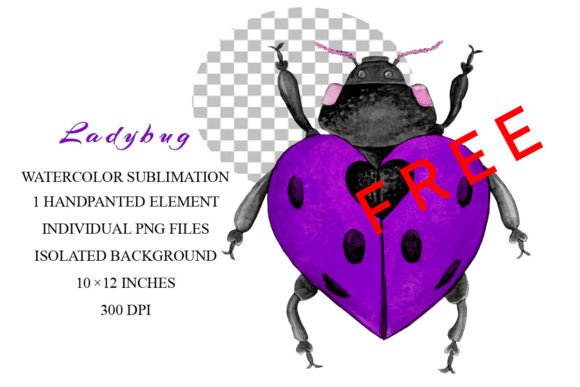
Watercolor Ladybug Sublimation, PNG: A Creative Design Asset
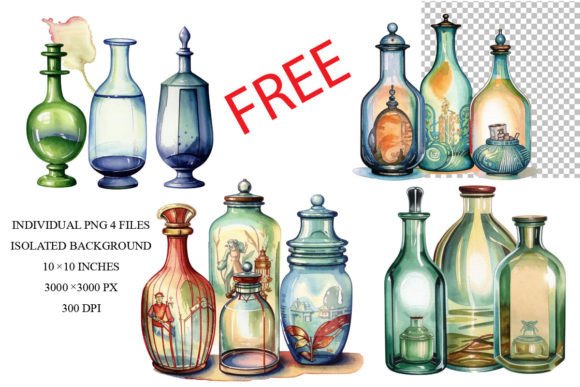
There’s a distinct charm in a design that feels both artistically crafted and universally appealing. The Watercolor Ladybug Sublimation, PNG is one such asset. It’s not merely a graphic; it’s a hand-painted digital illustration that carries the warmth and slight imperfection of a real watercolor painting. This file offers a high-resolution, 3000 x 3600 inch image at 300 dpi with a transparent background, making it a versatile foundation for countless projects. The visual personality is playful, organic, and inviting, with soft color bleeds and textured brushstrokes that digital vectors often lack.
Visual Character and Practical Specifications
The style of this watercolor ladybug is decidedly illustrative and natural. It avoids the sterile perfection of a clipart vector, instead presenting a design with a handcrafted feel. This aesthetic can significantly influence brand perception. For a small business, using such an asset in packaging or social media graphics communicates care, creativity, and a personalized touch. For a blogger or content creator, it adds a layer of authenticity that resonates with audiences seeking genuine connection over polished artifice.
Understanding the file's technical side is crucial for successful implementation. The Watercolor Ladybug Sublimation, PNG is delivered as a high-resolution PNG. This format is ideal for projects where you need to place the design onto a colored or patterned background, as the transparency allows for seamless integration. However, it is vital to note its limitations: this is a raster image, not a vector SVG. It cannot be resized infinitely without potential quality loss, and it is not a cutting file for machines like Cricut or Silhouette. Planning your project scale based on the 3000x3600 pixel dimensions at 300 dpi is a key step.
Where This Design Asset Shines
The applications for this Watercolor Ladybug Sublimation graphic are remarkably broad, touching nearly every area of creative and commercial work. Its strength lies in its adaptability.
- Product Design and Sublimation: This is its primary purpose. The high resolution and transparent background make it perfect for sublimating onto T-shirts, pillows, bags, and mugs. The watercolor effect translates beautifully onto fabric and ceramic, creating products with a professional, artisan quality.
- Print and Editorial Design: Integrate the ladybug into stationery, invitations, and announcement cards for a whimsical yet sophisticated element. It can serve as a standout feature in scrapbooking layouts or as a recurring motif in a set of planner stickers, adding visual interest without overwhelming the page.
- Digital Presence and Branding: Use it as a photo overlay, a subtle pattern element in web design, or as part of a logo for a brand with a nature-friendly, gentle, or playful identity. It can enhance social media graphics, making posts more eye-catching and on-brand. The design works well in packaging design for eco-friendly or handmade goods.
- Paper Crafts and Mixed Media: Beyond digital, it’s a valuable resource for decoupage, papercraft creations, and physical cardmaking. Printing it on specialty paper can yield stunning results for mixed-media artists.
Integrating the Asset with Purpose
Simply having a great design asset isn’t enough; strategic integration is what separates good projects from great ones. When using the Watercolor Ladybug Sublimation, PNG, consider its role in your overall visual hierarchy. Is it a supporting background pattern or the central focal point? Its organic nature pairs interestingly with clean, modern typography. Try pairing it with a clean sans serif font for body text to create a balanced contrast, or with a handwritten script font to amplify the artisan feel.
For brand consistency, decide on a specific context for the ladybug. Perhaps it’s exclusively used for a seasonal product line, or as a signature mark on packaging. This prevents overuse and maintains its special appeal. Always test your designs across different mediums. A layout that looks perfect on screen may need slight adjustments when printed, especially concerning color vibrancy and the interaction of the transparent background with different paper stocks or fabric weaves.
Remember, the colors you see on your monitor may not perfectly match the final printed output. Conducting a small test print on your intended material is a practical and essential step, particularly for commercial projects where color accuracy matters. This asset is a powerful tool in a designer’s kit, but its ultimate success depends on thoughtful application, technical understanding, and a clear creative vision. By respecting its handmade character and technical specifications, you can unlock its full potential to elevate your work.