Streamline Your Shopping: The Ultimate Grocery Checklist Template
There’s a specific kind of frustration that comes with returning from the grocery store only to realize you forgot the one ingredient you actually needed. It disrupts meal prep, wastes time, and can throw off your entire weekly budget. For busy professionals, entrepreneurs, and anyone managing a household, efficiency is key. A solid Grocery Checklist Template isn't just a list; it's a strategic tool for household management, designed to eliminate waste and streamline your routine.
Designing Efficiency: More Than Just a List
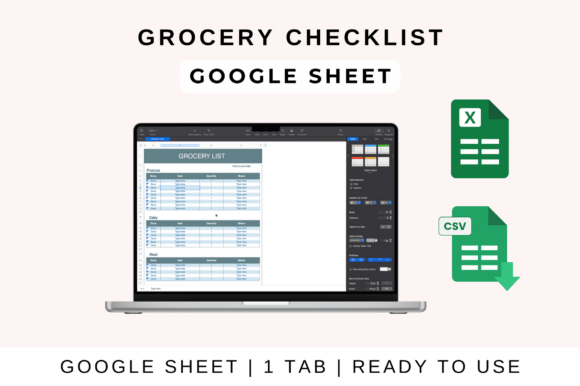
When we talk about design assets, we often think of branding elements or typography. However, utility documents like a grocery checklist benefit immensely from thoughtful design principles. This template functions like a well-organized layout—it uses visual hierarchy to guide your eye. By categorizing items into sections like produce, dairy, pantry, and frozen goods, it mimics the layout of a standard supermarket. This reduces cognitive load, allowing you to move through the aisles methodically rather than zig-zagging back and forth.
The visual appeal of this Grocery Checklist Template lies in its clarity. It avoids clutter, utilizing white space to ensure that your shopping list remains readable even in a busy store environment. Just as a modern typography choice can make a website more navigable, the structure of this checklist makes your shopping trip faster. It is pre-filled with common grocery items, but its true strength is its customizability. You can treat the categories like modular design blocks, rearranging them to fit your specific dietary needs or the layout of your local market.
Practical Applications: From Kitchen to Business
While the primary function is domestic, the utility of a Grocery Checklist Template extends into small business and creative management. Consider the entrepreneur managing a small café or the content creator preparing for a week of recipe shoots. In these scenarios, inventory management is critical. The ability to add quantity, notes, and prices transforms a simple list into a basic inventory management tool.
For those who value consistency in their brand identity—even on a personal level—using a standardized template brings a sense of order to the chaos of a busy week. It works seamlessly across platforms, whether you prefer the collaborative power of Google Sheets, the robust functionality of MS Excel, or the user-friendly interface of Numbers. This cross-platform compatibility is a hallmark of premium design assets. It ensures that whether you are on your desktop planning the week or on your phone in the aisle, your data is synchronized and accessible.
Maximizing the Template: A Step-by-Step Guide
Integrating this tool into your routine requires a brief setup, much like customizing a web design element to fit a specific page layout. Here is how to get the most out of the digital version:
Using the Template in Google Sheets
The Google Sheets version is ideal for those who value real-time collaboration and cloud access. It’s perfect for households where multiple people contribute to the shopping list.
- Upload and Access: Drag the file into your Google Drive and open it with Sheets.
- Data Entry: Populate the relevant columns. Think of the categories as your grid system; keeping items aligned ensures the final list is easy to scan.
- Automation: The template includes formulas that automatically tally your estimated total. This is crucial for budget management, acting like a built-in calculator that prevents overspending.
- Customization: Adjust the categories to match your lifestyle. If you buy bulk grains, expand the pantry section. If you meal prep, add a column for "Recipe Reference."
- Collaboration: Share the link with family members or roommates. Everyone can add items in real-time, ensuring nothing is missed.
Using the Template in MS Excel and Numbers
For users who prefer offline access or the power of desktop software, the Excel and Numbers versions offer robust performance.
- Download and Enable: Open the file on your computer. If using Excel, click "Enable Editing" to unlock the full functionality of the sheet.
- Input and Analysis: Enter your items and costs. The automated formulas will instantly update your totals, providing a clear snapshot of your spending.
- Visual Insights: Use the data to analyze your spending habits over time. Just as a marketer analyzes campaign data, you can review your grocery history to identify trends and areas for savings.
The Psychology of Organization
There is a psychological benefit to using a structured Grocery Checklist Template. It reduces decision fatigue. When you arrive at the store with a vague idea of what you need, you are forced to make hundreds of micro-decisions. A categorized, pre-filled list removes that burden. It allows you to operate on autopilot for the mundane tasks, freeing up mental energy for more complex creative or professional challenges.
Furthermore, the ability to track prices within the template turns grocery shopping into a data-driven exercise. Over time, you develop a better understanding of your household's "burn rate" for consumables. This level of detail mirrors the precision required in editorial design or packaging design, where every element must be accounted for. It transforms a chore into a manageable, efficient process.
Adapting the Tool for Your Lifestyle
The best tools are those that adapt to the user, not the other way around. This template is designed to be a living document. As seasons change, your produce list will change. As your family grows or your diet shifts, your categories will evolve.
Treat this Grocery Checklist Template as a foundational asset. Just as you might use a serif font for long-form reading to improve legibility, you use this structured list to improve the legibility of your shopping needs. It brings order to the supermarket chaos, helping you stay organized, stick to your budget, and ensure that you never again have to make a frustrating return trip for that one forgotten carton of milk.